Spring Training for Your Career: Why You Need Coaches and Mentors to Thrive

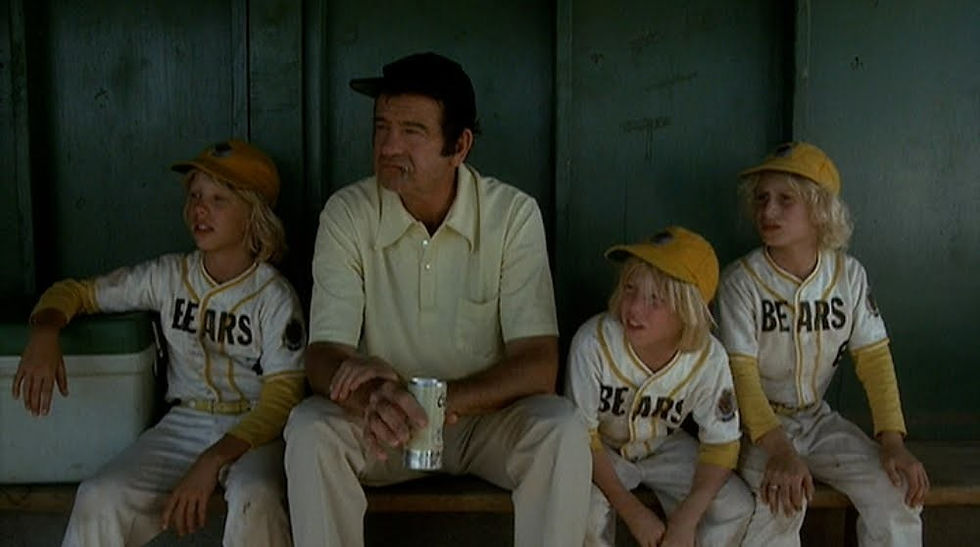
Tomorrow marks one of the most anticipated days of the year for baseball fans — Opening Day. After weeks of spring training, teams across the country are ready to take the field, sharpened by countless drills, feedback sessions, and practice at-bats. Players don’t get to this point alone; they work under the guidance of coaches who help them refine everything from swing mechanics to mental preparation.
The same principle applies to job exploration. Just like baseball players need spring training to prepare for the regular season, professionals embarking on a job search need their own “training camp” — a structured, supported environment filled with feedback, mentorship, and practice.
The Power of “Career Spring Training”
Think of the job search as its own competitive season. Preparation makes all the difference. A resume is your stance at the plate, a networking call is your batting practice, and the interview is your game day. Success doesn’t come from raw talent alone — it’s built through repetition, self-awareness, and the guidance of others who’ve played the game before you.
In baseball, even veterans depend on coaches. Pitchers have pitching coaches; hitters have hitting coaches. Each coach provides a specialized lens to help players correct, refine, and improve. In a career context, that’s where mentors, career coaches, and even peers come in. They’re the ones who help you see your blind spots, develop your strengths, and position yourself strategically for opportunities.
Building Your Support System
Here’s what your own career “training team” might look like:
A Coach: This could be a professional career coach or a trusted colleague who helps you set goals, plan your search, and stay accountable.
A Mentor: Someone with experience in your desired field who can provide perspective, introductions, and advice based on real-world lessons.
A Peer Network: Fellow job seekers or co-workers who can provide encouragement, share insights, and help you stay motivated through the ups and downs.
Surrounding yourself with supportive voices keeps you grounded, gives your confidence a lift, and equips you with the tools to perform under pressure — whether that’s in an interview room or in front of a hiring committee.
Taking the Field
Tomorrow, baseball players will step into stadiums filled with bright lights and fresh energy, ready to apply everything they’ve worked on since February. If you’re in the midst of job exploration, your Opening Day is coming too. Each application, conversation, and interview moves you closer to the lineup spot you’ve been training for.
So as the umpire calls “Play ball,” take a moment to ask yourself: are you giving your career the same dedicated preparation athletes give their sport?


Comments